One in four adults in the US suffer from cartilage degeneration of the Intervertebral Disc (DDD) or load-bearing joints (DJD). Since cartilage is avascular, it has a limited regenerative capacity. Conventional non-surgical treatments provide brief symptomatic relief, have sided effects, and do not address the cartilage defect itself. As such, new alternatives are needed. Perinatal birth tissue allografts are a novel frontier for bio-mechanical cartilage engineering research. The tissues of interest include umbilical cord-derived Wharton’s Jelly (WJ). This study assessed WJ tissue samples via ZEISS Supra 55VP Field Emission Scanning Electron Microscope (SEM) at 100 and 300 nm resolution scales. The captured images of pre and post-processed structural tissue matrices in WJ allografts were analyzed against themselves and peer-reviewed SEM images of articular cartilage, intervertebral disc cartilage, and muscle fascia. SEM images of post-processed WJ structural tissue matrices were found to be comparable to structural tissue matrices in human articular cartilage, intervertebral disc cartilage, and muscle fascia on a qualitative and quantitative level. This is the first study that we are aware of, to demonstrate that structural collagen matrices in post-processed WJ allografts are analogous in structure to the cartilage in articular joints, intervertebral discs, and muscle fascia.
Advances in regenerative medicine have increased significantly throughout the past decade. Wharton’s Jelly (WJ) was initially characterized in 1656 by Thomas Wharton [1]. Since its initial discovery, there has been significant interest in the use of WJ in regenerative medicine applications [2]. Located between the blood vessels of the umbilical cord and the amniotic epithelium, WJ spans the entire length of the umbilical cord, providing protection, cushioning, and structural support [2,3]. Initial research centered on WJ as a cellular product, dependent on the metabolic activity of living cells to exert its primary function [3]. However, current research demonstrates that WJ exerts an effect independent of any cellular activity [3]. Initially classified as a mucoid connective tissue, we now know that WJ functions as an ideal system to transplant chemokine and growth factors, in addition to providing a biomechanical microarchitecture for collagen extracellular matrix formation in collagen-based defects [4].
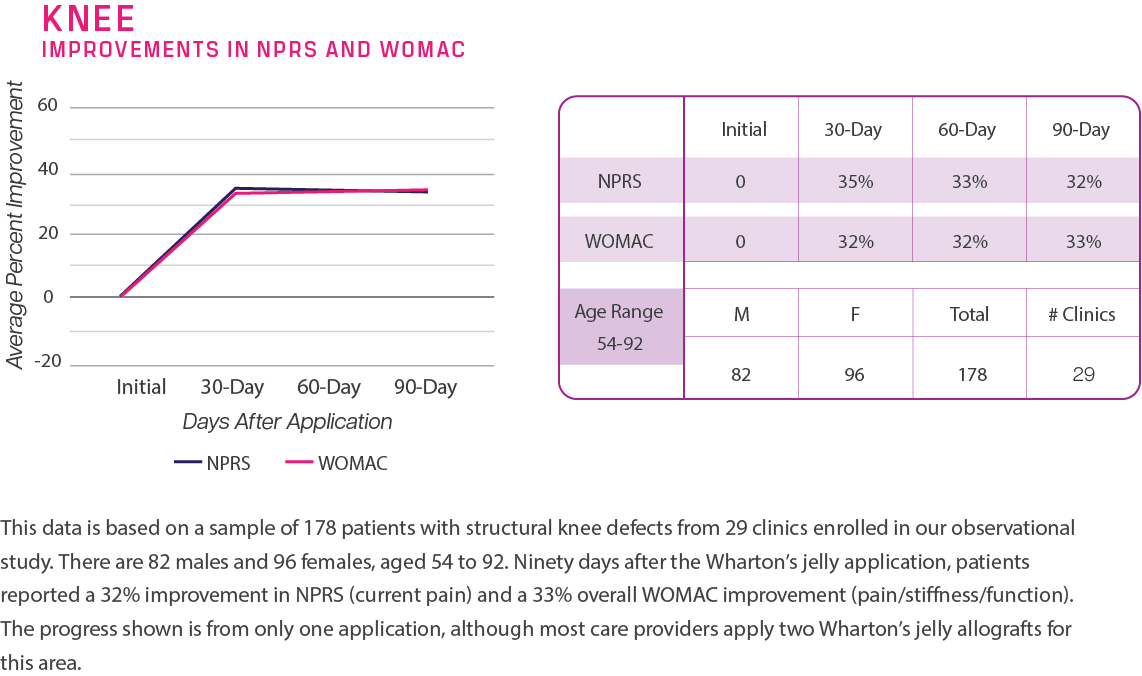
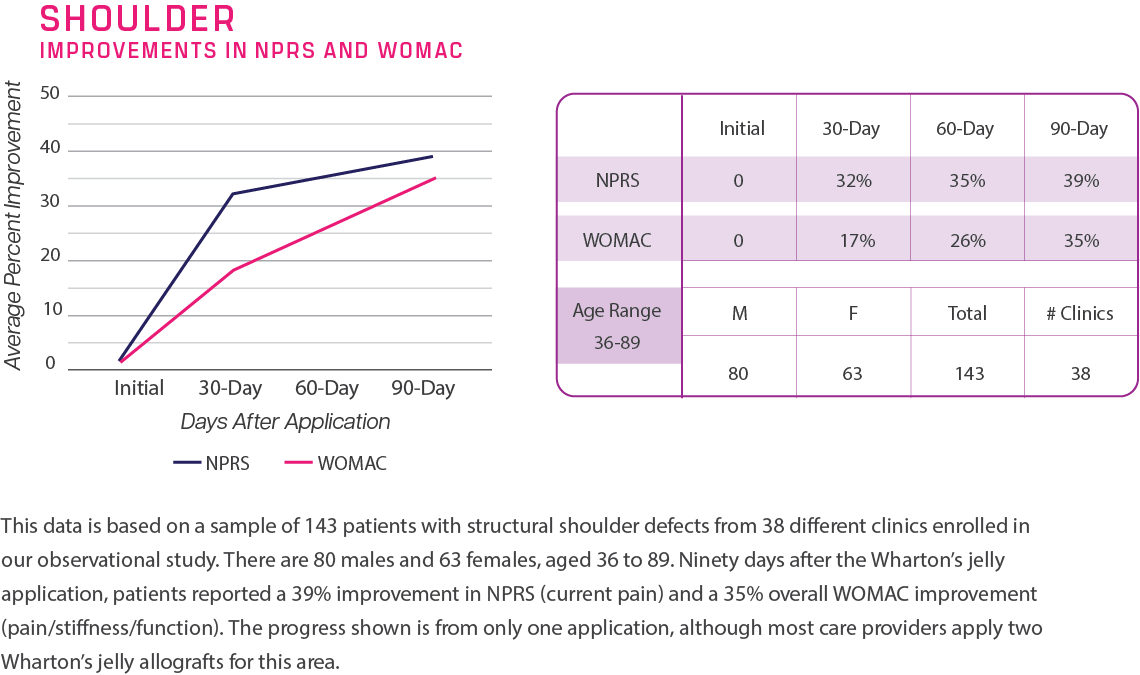
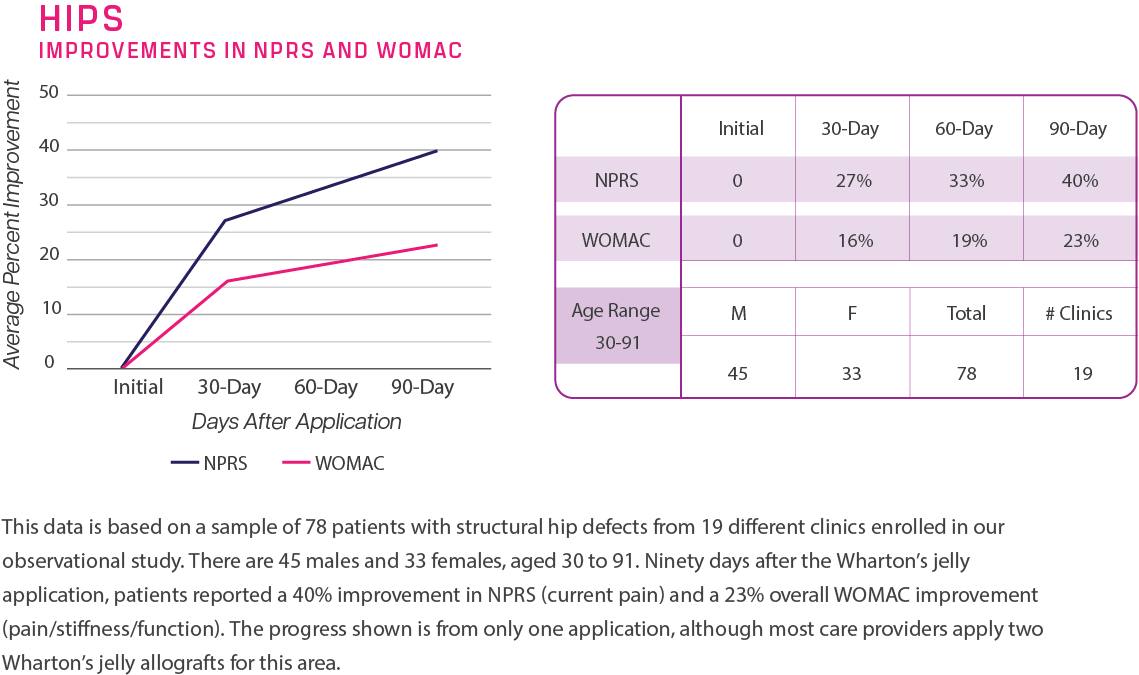
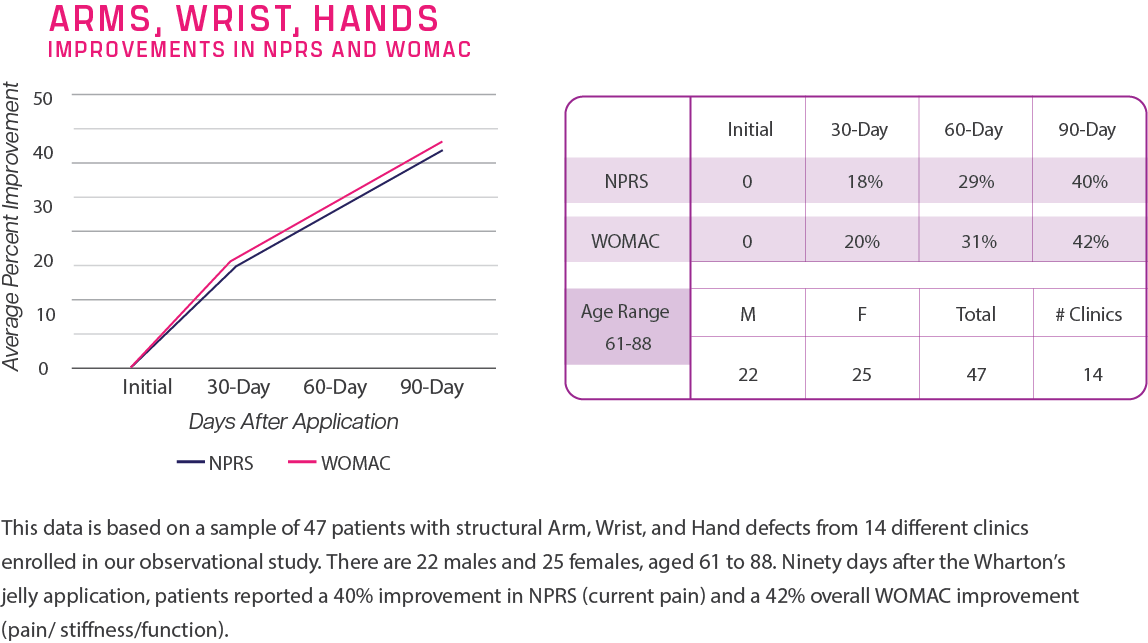
Data Policy- Note
Date of Data Collected- 9/14/2023

Quickly and efficiently build the materials you need to support your inbound marketing strategy. Drag and drop building blocks including testimonials, forms, calls-to-action, and more.

Click Here to Read the Case Study Abstract This Institutional Review Board (IRB)-approved retrospective observational protocol aims to report the… READ MORE >
Click Here to Read the Complete Case Study Abstract The primary objective of this study is to report the initial… READ MORE >.

Click Here to Read the Case Study Abstract Each year, thousands of patients suffer from sacral decubitus ulcers, also known… READ MORE >
Click Here to Read and Download the Case Study RESEARCH ARTICLE Case study presented by Dr. Allen Meglin uncovers new… READ MORE >

©2026 Row One, Inc. All rights reserved. Privacy Policy